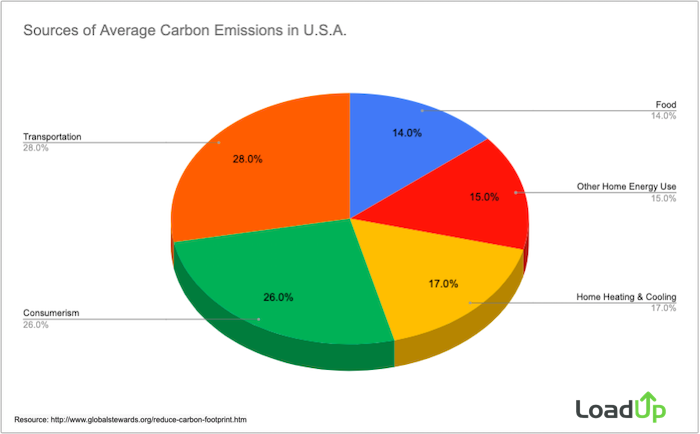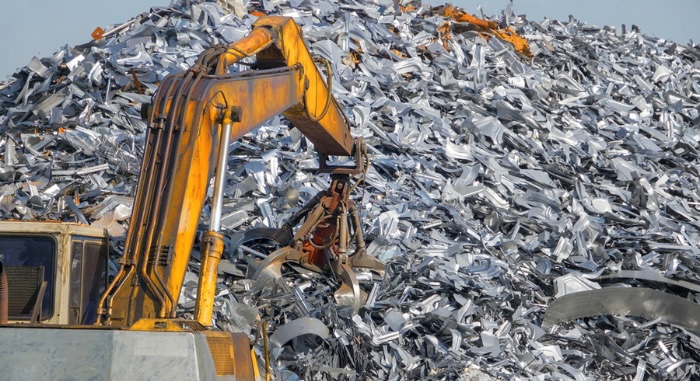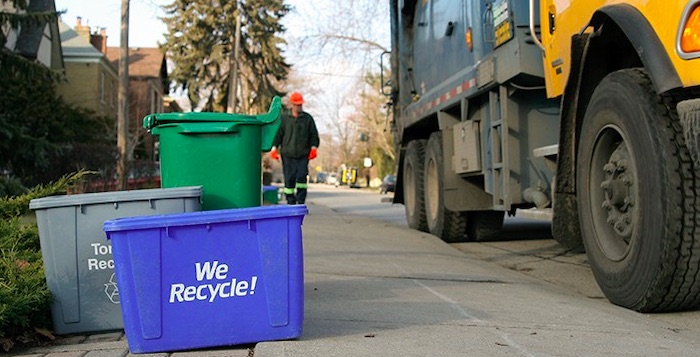
Recycling is one of the simplest ways to reduce waste, lower carbon emissions, and limit the need for extracting new raw materials. Thanks to curbside recycling programs, it has never been easier to recycle at home. But recycling improperly can contaminate entire bins and send materials that could have been saved straight to a landfill.
This guide covers exactly what can go in your curbside recycling bin, what cannot, and how to properly prepare items so they actually get recycled. We also cover what to do with items that cannot go in the bin at all.
Quick answer: what can go in the curbside recycling bin
- Yes: Plastic bottles and containers (#1, #2, #5), metal cans, cardboard, paper, and glass (where accepted)
- No: Plastic bags, food waste, electronics, appliances, furniture, batteries, light bulbs, ceramics, or bagged recyclables
- Always rinse first: Food residue is the leading cause of recycling contamination
- Never bag it: Loose items only. Plastic bags tangle sorting machines and get thrown away.
- When in doubt: Check with your local program. Rules vary significantly by city and county.
A Guide to Curbside Recycling at Home:
Click to jump to any section
- Intro to Curbside Recycling
- Using Curbside Recycling Containers
- What Goes in the Curbside Recycling Bin?
- Recycling Plastic in the Curbside Bin
- Recycling Paper in the Curbside Bin
- Recycling Glass in the Curbside Bin
- What Cannot Go in the Curbside Bin
- Recycling Difficult Items
- Making Recycling Work
- Frequently Asked Questions
Intro to curbside recycling collection
Curbside recycling is available in every state across the U.S. While some states prioritize mandatory recycling laws and landfill bans, others focus on meeting broader recycling goals. In most major cities and surrounding areas, a curbside recycling service is available to residents, though coverage can be limited in rural communities.
Many curbside recycling programs are included as part of your regular trash pickup service. In some areas, residents can also sign up for independent recycling programs. States occasionally offer grants to support special recycling initiatives, and new options continue to emerge, from local recycling events to scheduled special pickups.
Curbside recycling is typically included in your monthly trash bill. Where it is charged separately, most programs cost between $10 and $20 per month depending on your location and service level, according to municipal rate data from 2025-2026. However, the money you pay each month may not go entirely to recycling even if you are consistently putting items in your bin each week.
Using curbside recycling containers
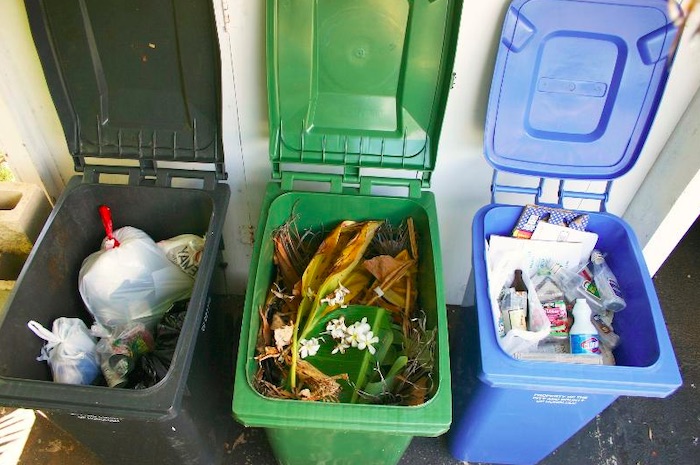
Most curbside recycling programs accept the same general categories of materials: plastic bottles and containers, glass, paper, and metal cans. That said, the specific rules can vary significantly between programs. Items like furniture, appliances, and electronics can be recycled but should never go in your curbside bin.
According to The Recycling Partnership’s 2024 State of Recycling report, roughly one in five items placed in recycling bins cannot actually be recycled through curbside programs, which means resources are wasted sorting and disposing of contaminated loads.
The three most common reasons recyclables get rejected:
- Non-recyclable items mixed in with acceptable materials
- Recyclables placed inside plastic bags instead of loose in the bin
- Food residue left on containers (recycling contamination)
For many years, items like plastic lids and pizza boxes were not accepted in curbside recycling. Many programs have since started accepting these materials, but acceptance is not universal. Always check with your local recycling service before placing these items in your bin.
Our next section covers what specific items can go in your bin. Be sure to verify with your county or local recycling service what they do and do not accept. Some counties do not accept common items like glass bottles or certain types of paper, so it is important to confirm the rules in your area. You can use Earth911.com or How2Recycle to look up what is accepted near you.
What goes in the curbside recycling bin?
Many household items can be recycled curbside. Most plastic bottles and containers, glass bottles and jars, paper, and metal cans are accepted with the right preparation. Keep in mind that not all curbside programs are the same, and your local service may have specific rules about certain materials or container types.
Recycling plastic in the curbside bin
Plastics are identified by resin codes numbered 1 through 7. These numbers indicate the type of plastic, not whether it can be recycled in your specific program. Here is a breakdown of each type and its typical curbside acceptance:
#1: PET or PETE (polyethylene terephthalate)
The most common plastic used in single-use water bottles, soda bottles, and beverage containers. It is lightweight, inexpensive, and one of the easiest plastics to recycle. PET/PETE is accepted by most curbside recycling programs.
#2: HDPE (high-density polyethylene)
Found in milk jugs, juice bottles, household cleaner bottles, yogurt tubs, butter containers, and cereal box liners. HDPE is accepted by most curbside programs, though some only take narrow-neck containers like milk jugs and detergent bottles rather than wider tubs.
#3: V or PVC (polyvinyl chloride)
Found in shampoo bottles, piping, windows, siding, and cooking oil bottles. Because PVC contains chlorine, it is toxic when burned and significantly more difficult to recycle than other plastics. It is generally not accepted in curbside programs, though some specialized recycling facilities and plastic lumber manufacturers do take it.
#4: LDPE (low-density polyethylene)
LDPE is found in plastic bags, bread bags, produce bags, plastic wrap, squeezable bottles, and six-pack rings. It is technically recyclable but most curbside programs do not accept soft LDPE films and bags because they tangle sorting machinery. Rigid LDPE containers may be accepted depending on your program, so check with your local service. For plastic bags and film, many grocery stores offer in-store drop-off bins for clean, dry items. Look for the How2Recycle Store Drop-off label on packaging.
#5: PP (polypropylene)
Found in bottle caps, straws, medicine bottles, some yogurt containers, and syrup bottles. PP plastics are accepted by many curbside programs, though acceptance varies — always confirm with your local service before placing #5 items in the bin.
#6: PS (polystyrene)
Also known as Styrofoam, polystyrene is used to make disposable dishes, egg cartons, meat trays, CD cases, and aspirin bottles. It is one of the most difficult plastics to recycle. Some curbside programs do accept it, but many do not, so check with your local service before placing it in the bin.
#7: Miscellaneous (polycarbonate and other plastics)
#7 plastics are a catch-all category used for DVDs, computer and phone cases, sunglasses, nylon, certain food containers, and large water bottles. They are accepted by some curbside programs but not most, so confirm with your local provider before placing them in the bin.
Recycling paper in the curbside bin
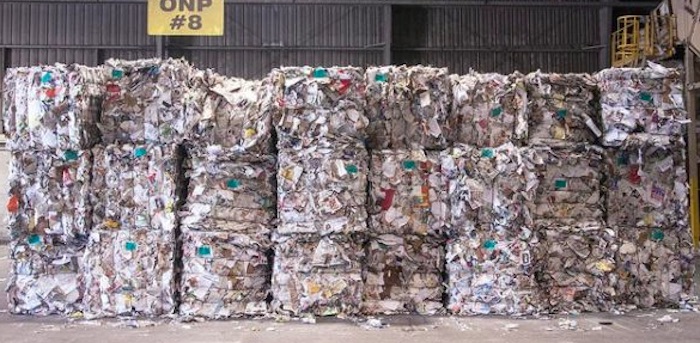
Paper is one of the easiest materials to recycle curbside, but it must be kept dry and free of contaminants. To help keep your paper clean, place it in the bin last so it sits on top of everything else.
Shredded paper is harder to recycle than whole sheets because shredding reduces fiber lengths, which makes paper harder to process into new products. If possible, use a marker to block out personal information on junk mail rather than shredding it.
The general rule for paper: non-coated paper that tears easily can go in your bin. Coated, glossy, or heavy-weight paper should be avoided unless your curbside service specifically accepts it. If you have more cardboard than your bin can hold, LoadUp’s cardboard box recycling service can pick it up quickly.
Recycling glass in the curbside bin
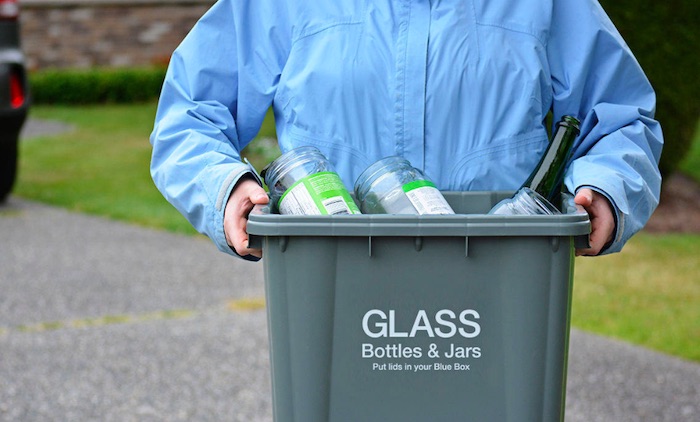
Glass recycling is more complicated than plastic or paper because many curbside programs have stopped accepting it. When glass breaks in the bin, it becomes difficult and dangerous to sort, and broken shards can contaminate other recyclables.
Because of this, you should always check with your local recycling service before putting glass in your curbside bin. Policies vary widely by city and county.
Glass should still be recycled when possible. Producing new glass from raw materials generates significant greenhouse gas emissions, and glass can be recycled endlessly without loss of quality. Most recycling centers accept glass as a drop-off, though you may need to sort it by color yourself.
What cannot go in the curbside recycling bin
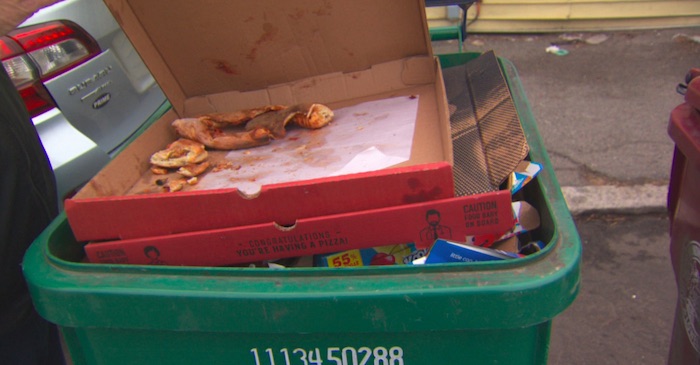
Keep the following items out of your curbside recycling bin:
- Wire hangers
- Bowling balls
- Potato chip bags
- Propane cylinders
- Shopping bags and plastic wrap
- Clothing and textiles
- Food waste
- Appliances
- Drinking glasses and ceramics
- Bagged recyclables
- Hazardous materials
- Items that tangle (hoses, cords)
- Wood
- Diapers
- Furniture
- Batteries
- Light bulbs
- Electronics
Note on bulky plastics: some curbside programs do accept large rigid plastic items like laundry baskets, plastic playsets, and plastic outdoor furniture. Check with your local service for specifics.
Recycling difficult items
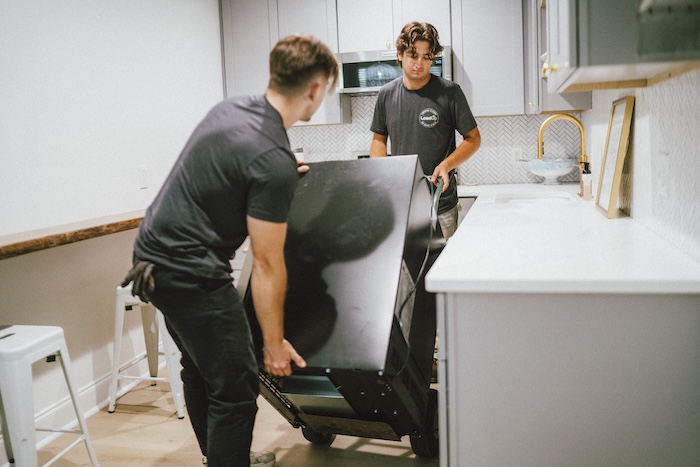
Many household items are recyclable but cannot go in your curbside bin. Appliances like kitchen stoves, dishwashers, and water heaters contain significant amounts of recyclable metal. Smaller appliances like microwaves, fans, and AC units can also be recycled through the right channels.
Furniture items such as futons, bed frames, mattresses, and wooden furniture often contain recyclable materials. For furniture in good condition, donation is the best first option. If the item is worn, a furniture recycler is the next best choice.
Other items that can be recycled but not curbside include clothing, exercise equipment, and lawnmowers. Recycling these items usually is not free, but it keeps them out of the landfill.
Your options for recycling difficult items:
Take items to a recycling event or drop-off facility
Many cities and counties hold periodic recycling events that accept appliances, electronics, and other difficult items. Check your local government website for upcoming dates. You can also use Earth911.com to find permanent drop-off facilities near you that accept specific item types. Note that drop-off fees often apply.
Request a special pickup through your recycling service
Some curbside recycling providers offer scheduled special pickups for large or difficult items. Contact your provider and confirm that items will be recycled rather than sent to a landfill, since some special pickups are handled by the same sanitation service that collects regular trash.
Hire an eco-friendly junk removal company

For large or bulky items that are difficult to transport, a junk removal company is often the most practical solution. LoadUp handles in-home and curbside pickups for furniture, appliances, mattresses, treadmills, and more, routing items to donation centers and recycling facilities rather than landfills wherever possible.
LoadUp offers rates typically 20-30% lower than most other junk removal companies, with upfront pricing before you book. Get your instant quote online.
Making recycling work
Getting recycling right does not require memorizing every rule in your municipality’s waste guide. It comes down to a few consistent habits: rinse containers, keep items loose in the bin, and when in doubt about a specific item, check before tossing.
For anything that cannot go in your curbside bin, the right path is usually a drop-off facility, a local recycling event, or a junk removal service for larger items. The goal is to keep recyclable materials out of landfills, and there are good options available for virtually every type of household item.
Still not sure what to do with a specific item? Earth911.com lets you search by item type and zip code to find the nearest recycling option. And if you have large or bulky items that need to go, LoadUp can handle pickup and eco-friendly disposal quickly and affordably.
Have large items to recycle? Get your upfront price ❯
Updated June 2026