
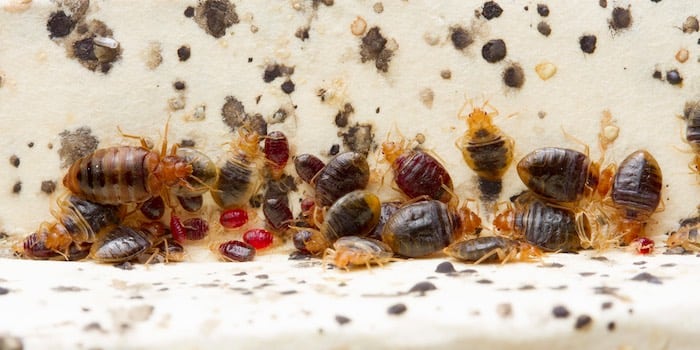
Bed bug identification can be tricky, but it’s important to know what bed bugs look like before you start treating your home for them. If you’re wondering what a bed bug looks like, this guide will help you identify them. This guide explains the appearance of bed bugs at every life stage, how to distinguish them from similar pests, and what steps to take if you find them.
The information here is designed for homeowners, renters, and travelers who want to identify bed bugs accurately and understand their life stages. Knowing what bed bugs look like is crucial for early detection and effective treatment.
Luckily, bed bugs are visible to the naked eye and can often be identified as long as you know what to look for.
Keep reading to learn more about what bed bugs look like and how to properly identify them. If you want to learn even more about bed bugs, check out our posts on how to tell if you have bed bugs and how to get rid of bed bugs.
What Do Bed Bugs Look Like?:
**Click to auto scroll by section
How to Identify Bed Bugs and their Life Stages
Bed bugs are generally tiny, but they vary in size depending on their stage in the life cycle. Nymphs, or young bed bugs, range from about 2 to 5 millimeters in length. Fully grown adult bed bugs are typically about a quarter of an inch long, roughly the size of an apple seed.
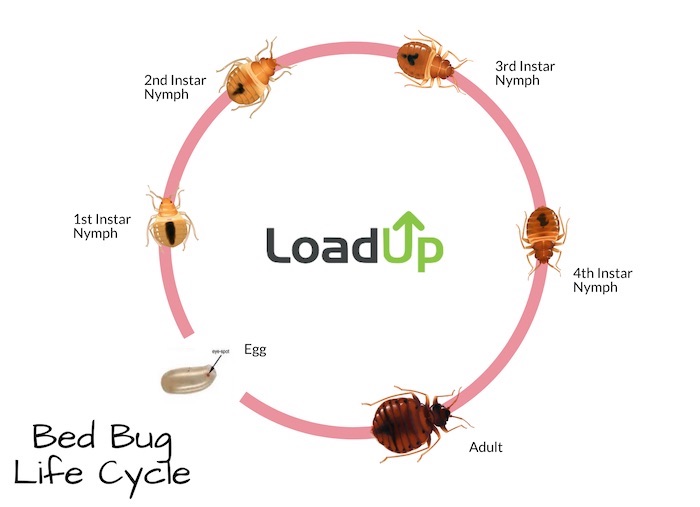
Adult bed bugs have a flat, oval-shaped body and are usually rusty brown in color. After feeding, their bodies swell and become darker red. They have six legs, two antennae, and no fully developed wings.
Adults do have small wing pads, which are vestigial wings that never develop into functional wings. Bed bugs also have a long segmented beak that they use to pierce the skin and feed on blood.
Nymph bed bugs are smaller and are usually translucent or pale yellow in color. After feeding, their abdomen becomes a bright red translucent color before gradually darkening as the blood meal is digested.
Nymphs molt about five times as they grow into adults. Newly hatched nymphs are about the size of a pinhead and are white or tan until they feed.
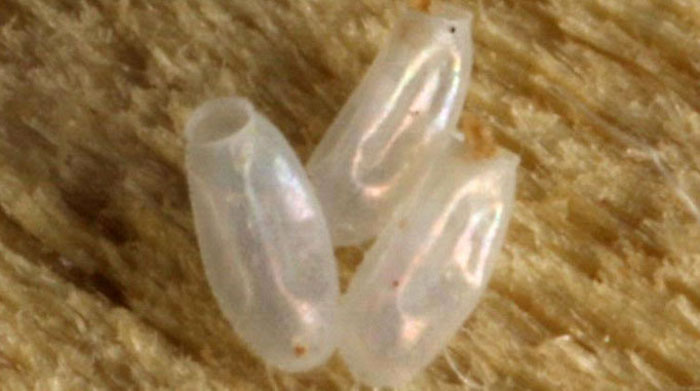
Female bed bugs lay eggs in sticky clusters of three to eight eggs. These eggs are white or cream-colored and slightly curved. Each egg is about 0.024 inches long and can be seen with the naked eye, though they are very difficult to find.
How to Spot Bed Bugs
Bed bugs can resemble other insects, so it’s important to identify them correctly. When searching for bed bugs or their eggs, using a flashlight and magnifying glass can help you see them more clearly.
Bed bugs are attracted to humans because they feed on blood. They are commonly found hiding in dark, warm areas such as mattress seams, bed frames, furniture crevices, and cracks in walls.
Signs of a bed bug infestation may include:
- Blood spots on sheets or mattresses
- Small reddish-brown fecal stains
- Shed skins from molting bed bugs
- Clusters of eggs or empty eggshells
- A musty or sweet odor in severe infestations
If you notice these signs, it’s best to take action quickly to prevent the infestation from spreading.
Effects of Bed Bug Bites
Bed bug bites typically appear as itchy red welts on the skin. These reactions occur because your body responds to proteins in the bed bug’s saliva during feeding.
Most people experience mild irritation and itching, but some individuals may develop stronger allergic reactions such as swelling, blistering, or hives.
Bed bugs are not known to spread diseases, but the bites can disrupt sleep and scratching may lead to infections. If you wake up with clusters of itchy bumps, especially in a line or triangular pattern, it may be a sign of bed bug activity.
Other Tiny Bugs That Look Like Bed Bugs
Many household pests are often mistaken for bed bugs. Since several insects can look similar, it’s important to rule out other bugs before treating your home for bed bugs.
Bugs that look like bed bugs:
- Carpet Beetles
- Bat Bugs
- Cockroach Nymphs
- Ticks
- Kissing Bugs
- Woodlouse
- Smooth Spider Beetle
- Booklice/Barklice
- Drugstore Beetle
Let’s take a closer look at these commonly misidentified insects and how they differ from bed bugs.
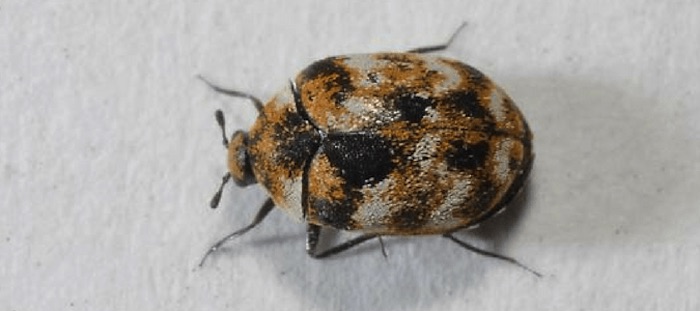
Carpet Beetles
Carpet beetles are often mistaken for bed bugs, but they do not bite. These small insects have patterned scales and feed on fabrics, carpets, and natural fibers.
Bat Bugs
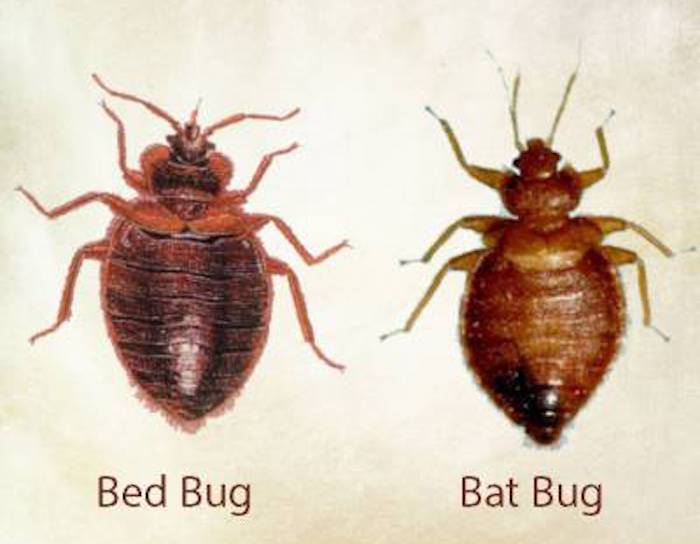
Bat bugs look extremely similar to bed bugs. However, they have longer hairs on their thorax and are usually associated with bat nests found in attics or wall cavities.
Cockroach Nymphs
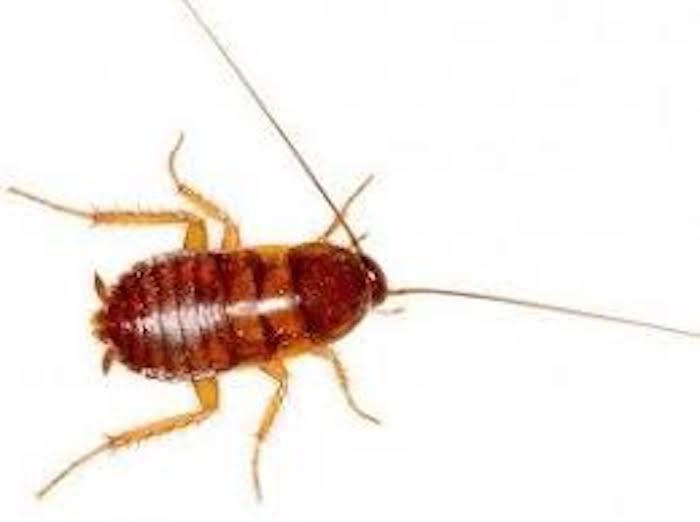
Cockroach nymphs are darker in color and have longer legs and antennae than bed bugs. Their bodies are also less flat.
Ticks
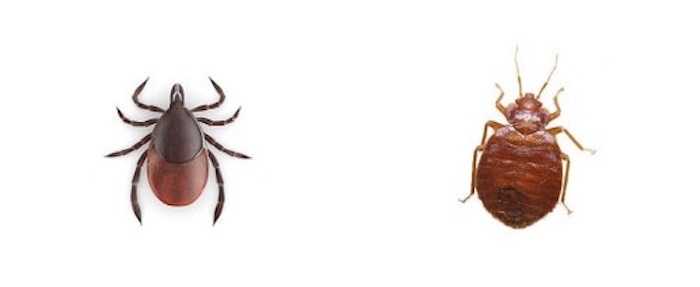
Ticks are arachnids with eight legs, while bed bugs only have six. Ticks also burrow into skin when feeding.
Kissing Bugs
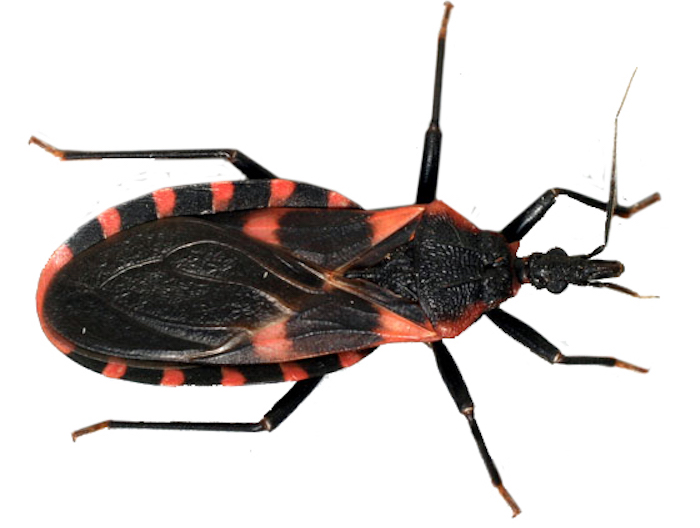
Kissing bugs are larger than bed bugs and have dark bodies with red or yellow markings. They can spread Chagas disease through their feces.
What to Do If You Find Bed Bugs
Bed bugs can be difficult to eliminate completely. In most cases, it’s best to contact a pest control professional who can inspect your home and apply effective treatments.
Bed bugs multiply quickly, so it’s important to act as soon as possible if you suspect an infestation.
Need to get rid of an old mattress? BOOK A PICKUP ❯
Related Articles From the Trash Talk Blog:


