Spring means it’s time to get the yard back in shape, which usually means confronting the mower that won’t start, the weed eater leaking gas in the corner of the shed, and a rake with more rust than metal. Before any of that goes in the trash, it’s worth knowing something: donating, recycling, and disposing of old tools are three different processes, not three words for the same thing, and picking the wrong one can mean a working tool ends up in a landfill instead of someone else’s garage.
Here’s how to sort what you’ve got, and where each option actually leads.
In this post:
Assess your tools first
Before anything leaves the shed, a quick look over each tool tells you whether it’s worth fixing, worth giving away, or genuinely done. Always disconnect power first, unplug electric tools and pull the spark plug on anything gas-powered before you start poking around.
Lawn mowers
A mower that won’t start after winter usually isn’t dead, it’s just neglected. Stale gas, a fouled spark plug, or a clogged air filter account for most no-start mowers, and all three are a five-minute fix, not a trip to the store.
- Spark plug: disconnect it first, always, then check for wear or carbon buildup. A bad plug is the single most common reason a mower won’t start.
- Gas: fuel that sat all winter can gum up the carburetor. Drain it and refill with fresh gas before assuming the engine is the problem.
- Filters: a clogged air filter chokes the engine before it ever gets going. Oil that’s seeped into the filter is a common culprit.
- Oil: change it every 20 to 50 hours of use. Old, dirty oil is a quiet mower-killer.
If fresh gas, a clean filter, and a good spark plug still don’t get it running, the mower has earned its retirement. For the full picture on what to do next, check out our dedicated guide on disposing of an old lawn mower.
Chainsaws
A chainsaw that’s not cutting right is often a tension problem, not an engine problem. A loose or sagging chain will stop a saw from running safely long before the motor gives out. Check the bar too, straight and free of cracks is fine; bent or gouged means replace it, not repair it. If the gas-to-oil mix is correct for your saw’s engine type and it’s still struggling, the carburetor is the next suspect.
Leaf blowers
Most dead leaf blowers are just clogged, not broken. Pull the nozzle and check for packed debris before assuming the worst. If it’s clear and still won’t run, you’re likely looking at the engine, battery, or carburetor, and unless small-engine repair is a hobby of yours, replacing an older leaf blower is usually cheaper than fixing it. The recyclable materials inside won’t go in a curbside bin, though, so it still needs a real destination once it’s done.
Weed eaters
Electric models usually fail at the cord, check for fraying before anything else. Gas models fail at the fuel mix more often than the engine itself, top it off and get the ratio right before assuming yours needs replacing. Once a weed eater is genuinely done, it’s a mix of metal and plastic that counts as specialty waste, not something curbside recycling accepts.
Garden hand tools
Shovels, rakes, and axes are the easiest call in the shed: metal and wood, both recyclable, both often worth scrapping if they’re beyond use. Scrap yards sometimes have minimum weight requirements, so a single rusted rake might not be worth the trip on its own. If you’d rather not sort and haul it all yourself, LoadUp’s garden equipment removal service can take the whole pile off your hands at once.
Recycle old tools and equipment
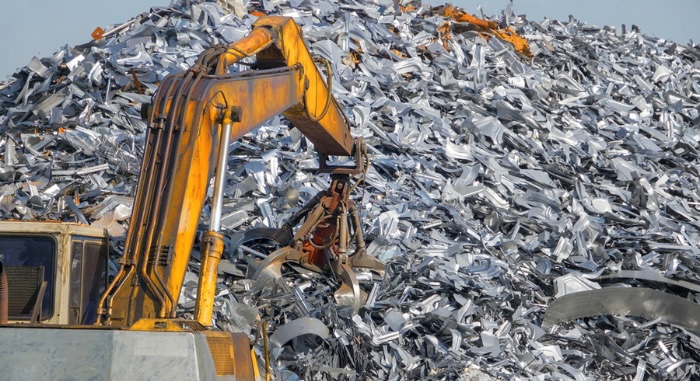
Metal is one of the few materials that doesn’t degrade every time it’s recycled, which is exactly why a scrapped mower or chainsaw is worth more to a recycler than it looks. Lawnmowers, chainsaws, leaf blowers, weed eaters, and edgers all qualify, but none of them go in a curbside bin the way a soda can does.
Fuel residue, batteries, and oil inside these tools count as hazardous material in most states, which is exactly why recycling equipment is more involved than tossing metal in a bin. At an actual recycling facility, tools get broken down, fluids get drained safely, plastics get separated, and the metal gets melted down for reuse. Curbside pickup was never built to do any of that.
A local scrap metal yard is the most direct option if you’re willing to haul it yourself, most will take gas-powered equipment once fluids are drained. If you’d rather skip the trip, LoadUp’s scrap metal removal service handles the pickup and the recycling.
Where to donate garden tools
Garden tools that still work don’t belong in the trash, and there are more places willing to take them than most people realize: community gardens, tool libraries, Habitat for Humanity ReStores, local schools, and Freecycle all accept working garden tools and equipment.
A tool that still works is worth more sitting in someone else’s shed than sitting in a landfill.
- Community gardens are consistently short on hand tools, shovels, rakes, trowels, and are one of the most reliable places to donate working equipment locally.
- Tool libraries exist in a lot of cities specifically to lend out equipment nobody wants to buy for one project, they’re built to take donated tools and keep them in circulation.
- Habitat for Humanity ReStores accept working tools and equipment in many locations, alongside building materials and furniture. Since ReStores are independently run, call ahead to confirm what your local one takes.
- Schools and 4-H programs often need basic garden tools for horticulture or agriculture classes, a shovel that’s boring to you might be exactly what a classroom needs.
- Freecycle is worth a shot for anything you’d rather not haul anywhere yourself, list it, and let someone local come pick it up.
Not every donation site takes every tool, a cracked chainsaw bar or a mower that won’t start isn’t donation material anywhere. Save the giving-away instinct for things that genuinely still work.
Sell old tools and equipment
A tool in working condition, especially a name-brand one, holds resale value longer than most people expect. Facebook Marketplace and local classifieds are the easiest starting points, and community garage sale groups move yard equipment specifically better than most other categories, since buyers there are already looking for exactly that.
Price it based on age, brand, and working condition, and clean it up before you photograph it. A mower that looks cared for sells in days. One that looks abandoned in a corner of the yard sits for months, if it sells at all.

Hire an equipment disposal company
Getting rid of broken or unwanted yard tools doesn’t have to be a project of its own. LoadUp offers a safe, eco-friendly solution for disposing of lawn tools and landscaping equipment without the hassle, working with local recycling centers and donation partners nationwide to keep as much out of landfills as possible.
With upfront, guaranteed pricing that typically runs 20 to 30% lower than traditional junk removal companies, clearing out a shed full of dead equipment doesn’t have to cost what you’d expect.
Got a shed full of stuff that’s past saving?BOOK ONLINE ❯