Renting a dumpster for a week typically costs $294-$800, including dump fees, depending on your location, container size, and what you’re throwing out. While dumpsters are useful for large renovation projects, they can end up costing more than expected if you don’t account for all the fees upfront.
Prices vary by region, with factors like dumpster size, local disposal fees, delivery distance, weight limits, and debris type all affecting the total. According to 2026 pricing data from Angi and HomeAdvisor, the national average is around $385, with most homeowners paying between $294 and $480 for a standard residential rental.
Before booking, compare prices, read reviews, and weigh alternatives like professional junk removal. Not sure which is better? Check out our guide on dumpster rental vs. junk removal to avoid hidden fees and frustrating delays.
Quick answer: dumpster rental costs at a glance
- Typical cost: $294-$800 per week (national average: $385)
- Best size for most homes: 15-yard dumpster
- Rental period: Standard rentals are 5-10 days; extensions cost $10-$25/day
- Watch out for: Weight overage fees, swap-out charges, permit requirements
- Cheaper alternative: For bulky items or single-room cleanouts, junk removal often costs less
Tips for evaluating dumpster rental pricing:
Click to jump to any section
- How much does a dumpster rental cost?
- Dumpster sizes and what they cost
- Consider the total cost of renting a dumpster
- Take your location into account
- Think about extra fees
- Factor in the size of your project
- Swap-out fees
- Avoid dumpster placement mistakes
- Calculate how much time you actually need
- Know what you can and cannot toss
- Dumpster rental vs. junk removal
- Frequently asked questions
How much does a dumpster rental cost?
A 10-yard dumpster typically runs $220-$580, while a 20-yard rental averages $280-$700. The wide range comes down to where you live, what you’re throwing away, how long you keep it, and which company you use.
When comparing quotes, always ask if pricing is all-inclusive. Some companies advertise a base rate and tack on delivery, disposal, and fuel surcharges separately, which can add $50-$200 to your final bill.
Dumpster sizes and what they cost
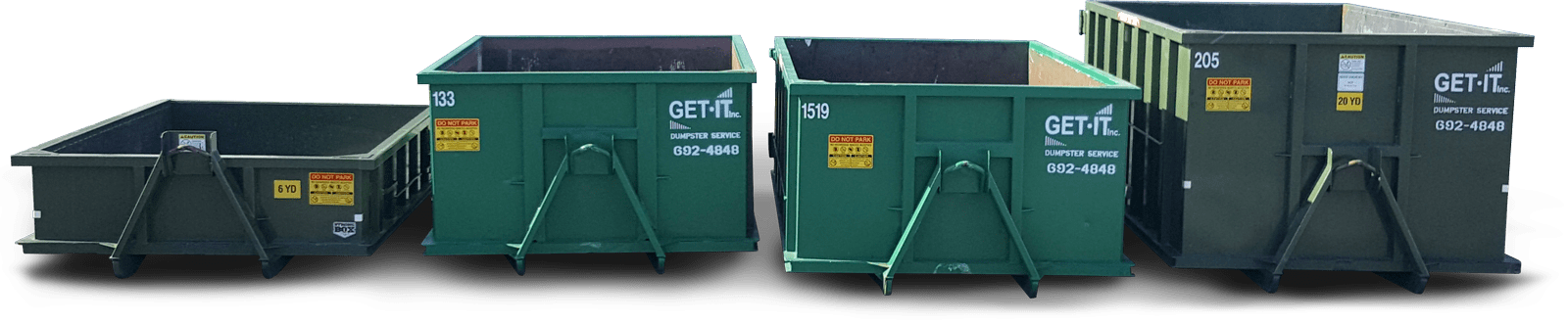
Choosing the right dumpster size upfront prevents you from paying for a container that’s too large or getting hit with swap-out fees because you went too small. Here’s how the most common sizes compare:
| Size | Capacity | Avg. cost | Best for |
|---|---|---|---|
| 10-yard | ~3 pickup truck loads | $220-$580/week | Small cleanouts, single-room remodels |
| 15-yard | ~4-5 pickup truck loads | $265-$620/week | Most residential projects (best value) |
| 20-yard | ~6 pickup truck loads | $280-$700/week | Large home cleanouts, roofing, deck removal |
| 30-yard | ~9 pickup truck loads | $311-$718/week | Major renovations, new construction |
| 40-yard | ~12 pickup truck loads | $350-$800/week | Commercial construction, large site cleanouts |
Pricing based on 2026 national averages from Angi, HomeAdvisor, and Dumpsters.com. Actual costs vary by region and company.
Consider the total cost of renting a dumpster
Before booking, look beyond the advertised rental price. The true cost includes delivery, dump fees, and the number of rental days. Getting an itemized quote prevents unpleasant surprises on your final invoice.
What size dumpster is best for a homeowner project?
Dumpsters can hold up to six tons of waste and come in several sizes. While 40-yard dumpsters are standard on large construction sites, they’re rarely practical or cost-effective for residential use.
For most homeowners, a 15-yard dumpster is the right call. It handles the majority of residential projects and helps keep costs manageable, even if you need to swap it out once during a longer job.
Take your location into account
Disposal costs vary significantly by state and even by city, depending on local landfill rates and hauling distances. In high cost-of-living areas like New York, California, or New England, expect to pay 20-40% more than the national average.
For residential projects where space is limited, a 15-yard dumpster in your driveway is usually the most practical placement. It protects your lawn and keeps your work area organized without blocking traffic.
Think about the extra fees
Extra fees can add up fast. The most common surcharges include:
- Weight overage fees: Most rentals include a weight allowance (typically 1-3 tons). Exceeding it costs $40-$200 per extra ton depending on your region and company.
- Prohibited item fees: Banned materials like tires, mattresses, or paint cans trigger surcharges of $50-$150 each.
- Extension fees: Going over your rental period typically costs $10-$25 per day.
- Permit fees: Street placement permits usually run $10-$200 depending on your city.
- Fuel and environmental surcharges: Some companies add 5-15% on top of the base rate.
Choosing a 15-yard dumpster is often more cost-effective than going larger, even if you fill it and need a swap-out. Larger containers typically don’t hold proportionally more weight, so you can end up paying more for capacity you cannot actually use.
Factor in the size of your project
For residential projects like a bathroom or kitchen remodel, basement renovation, or landscaping update, a 15-yard dumpster is usually the most cost-effective choice. Even for larger projects, the higher per-day cost of a 20 or 30-yard unit often doesn’t justify the upgrade unless you have a genuine volume need.
Swap-out fees
Overfilling a dumpster triggers a fee because the hauler must bring the load down to a legal transport weight before moving it. This can add $75-$150 to your rental cost and delay your project.
If your project is likely to generate more debris than one load, build that into your quote upfront. Ask the rental company what a planned swap-out costs versus an emergency one. As an alternative, LoadUp’s removal service has no weight limits and starts at $79 per pickup, which can be more cost-effective for unpredictable debris volumes.
Things to know before renting a dumpster
Beyond pricing, a few practical considerations can save you significant time, money, and hassle during your rental.
1. Where should I place the dumpster?
City and HOA rules dictate where dumpsters can sit. In most areas, a dumpster in your private driveway does not require a permit, though some cities (including parts of New Jersey and certain HOA communities) require one regardless of placement. If the dumpster needs to go on a public street or sidewalk, you will almost certainly need to obtain a permit from your local municipality first, and fees typically run $10-$200 depending on the city.
Avoid common dumpster placement mistakes
Do not block traffic lanes, utility boxes, fire hydrants, or a neighbor’s driveway. Many cities and HOAs also limit dumpster size and restrict how long one can be visible from the street. Check the rules before delivery day to avoid fines or forced early removal.
Check with your rental company
A good rental company will walk you through local requirements before booking. If yours doesn’t volunteer this information, ask explicitly. Permit issues discovered after delivery can derail your entire project timeline.
2. How long can I keep the dumpster?
Standard rentals run 5-10 days, with most companies pricing by the week. Many companies offer monthly rates for longer projects, sometimes with small volume discounts. Going over your agreed period typically costs $10-$25 per additional day, though this varies by company.
Be realistic about how long your project will actually take before booking. If you’re doing a weekend cleanout, a 3-day rental is fine. For a full renovation, budget for a week or more.
Need a longer rental period? Call us for an estimate on large or ongoing cleanouts.
3. What can I put in the dumpster?
Most standard construction and renovation debris is acceptable: drywall, carpet, wood scraps, roofing materials, and wiring are typically fine. If you’re unsure about a specific item, call ahead. Some prohibited materials are accepted for an additional fee.
Items banned from virtually all dumpsters include:
- Hazardous waste: paint, solvents, chemicals, pesticides
- Propane tanks and fuel containers
- Asbestos-containing materials
- Tires (usually banned or subject to a per-tire fee)
- Batteries and certain electronics
- Medical or biohazardous waste
For hazardous materials, contact your county’s household hazardous waste (HHW) facility. Most counties run free drop-off events.
Dumpster weight limits also matter. Exceeding them triggers overage fees regardless of whether the container looks full. Choosing LoadUp’s junk removal service eliminates weight limit concerns entirely.

Dumpster rental vs. junk removal: which is right for you?
A dumpster rental makes sense when you’re doing a multi-day project and need a container on-site to load at your own pace. It’s a good fit for roofing jobs, full kitchen gut-outs, or construction debris that builds up over days or weeks.
Junk removal is often the better option when:
- You’re clearing out furniture, appliances, or a single room of items
- You don’t want to do the heavy lifting yourself
- Your items include things a dumpster won’t accept (mattresses, certain appliances)
- You want same- or next-day removal without a multi-day commitment
LoadUp’s junk removal service can pick up mattresses, furniture, large appliances, and more, routing items to recycling and donation centers rather than landfills. Pricing starts at $79 with no hidden weight fees. For a full comparison, see our guide on junk removal vs. dumpster rental.
Get all your junk gone fast. See an online price from LoadUp ❯
Frequently asked questions
A typical 3-4 day dumpster rental costs $300-$850 all-in, depending on container size, your location, rental duration, and debris type. A 10-yard dumpster runs $150-$500, while a 20-yard rental averages $300-$700. These ranges align with national averages reported by HomeAdvisor and Angi.
A 15-yard dumpster is the most practical choice for most residential projects including bathroom remodels, basement cleanouts, and landscaping. It balances capacity with cost and fits in most standard driveways without requiring a street permit.
If the dumpster sits on your private driveway, a permit is usually not required. If it will be placed on a public street or sidewalk, most cities require a permit from the local public works or transportation department. Check with your municipality and HOA before scheduling delivery.
Most dumpster rental companies prohibit hazardous waste including paint, chemicals, propane tanks, asbestos, batteries, tires, and certain electronics. Putting prohibited items in a dumpster typically results in surcharge fees of $50-$150 per item. When in doubt, call your rental company before loading.
Standard rentals run 5-10 days, with most companies pricing by the week. Monthly options are available for longer projects. Going over your agreed period typically costs $10-$25 per additional day, though this varies by company. Confirm extension fees before you sign the rental agreement.
For smaller cleanouts involving furniture, appliances, or a single room of items, junk removal is often cheaper and faster. Services like LoadUp start at $79 and handle all the loading for you, while a standard dumpster rental runs $300-$850 and requires you to do your own heavy lifting.
By Tiffany Luther | Published January 2019 | Updated May 2026