
Got clutter piling up faster than you expected? If that broken mini fridge has become a footrest or the old TV is just wall art now, it might be time to declutter your space. The question most people ask is: “How do I get rid of junk without it becoming a whole ordeal?”
Good news, there are more options than you think. Keep reading for 10 practical, eco-friendly ways to clear out unwanted items quickly and with less hassle.
Quick answer: How to get rid of junk
- Free options: Freecycle, Nextdoor, Facebook groups, donation drop-offs
- Make money: Facebook Marketplace, OfferUp, eBay, Poshmark
- Eco-friendly disposal: Recycle via Earth911, donate to Goodwill/Habitat for Humanity
- DIY disposal: Request a bulk municipal pickup or haul to a local landfill (~$500/load)
- Fastest option: Book a junk removal company for same- or next-day pickup
How Can I Get Rid of My Old Junk?
Click to jump to any section
Getting Rid of Your Old Junk
There are plenty of ways to dispose of old items without just tossing everything in the garbage, where it would likely end up in a landfill. From selling and donating to recycling and professional hauling, the right method depends on what you have and how fast you need it gone.
Let’s walk through your best options, starting with the ones that put money back in your pocket.
1. Sell Used Items Online
Facebook Marketplace is usually the first stop people think of when selling unwanted household items, and for good reason. It’s free, local, and fast. But it’s far from your only option.
Best platforms by item type:
- Clothing & accessories: ThredUp, Poshmark, Mercari
- Electronics: Gazelle, Swappa, eBay
- Furniture & appliances: Facebook Marketplace, OfferUp
- General items: eBay, Craigslist, OfferUp
A few quick tips for better results: take clear, well-lit photos, write honest descriptions, and price items slightly above what you’d accept so there’s room to negotiate. You’re more likely to sell an old desk or filing cabinet quickly with a few good photos than with a vague one-line listing.
Selling through social media, where you know the buyer, is generally safer than inviting a stranger into your home, and is a great way to move larger items like a dining set or unused elliptical.
2. Donate Unwanted Stuff
If selling sounds like too much work, donation is the next best option, especially for items that are still usable but won’t fetch much on resale. National organizations like Habitat for Humanity, Goodwill, and the Salvation Army accept furniture, appliances, electronics, and exercise equipment.
Tip: Donating clothes to charities that request specific items (like work attire for shelters, or winter coats) has more direct impact than general drop-offs.
For large items that don’t fit in a drop box, check the organization’s website for a nearby donation center. Some organizations, including Habitat for Humanity’s ReStores, will even schedule a free furniture pickup, so it’s worth calling ahead.
Donating a used sofa, washer and dryer, or lawn mower keeps it out of a landfill and puts it in the hands of someone who genuinely needs it.
3. Turn Junk Into Hand-Me-Downs
Before posting anything publicly, send a quick message to friends and family. People who know you are far more likely to take something off your hands, especially if they know you’ve taken care of it.
If none of them need a bed frame or headboard, ask if they know anyone who does. Word of mouth moves items surprisingly fast, and it turns clearing out your home into a chance to catch up with people you haven’t seen in a while.
4. Give Your Junk Away for Free

College students, recent graduates, and new renters are usually eager for free, functional items, they don’t need it to be pretty. Posting flyers near apartment complexes or college campuses is a low-effort way to move larger pieces.
Online, your best tools are:
- Freecycle, a network specifically for giving things away locally
- Nextdoor, great for reaching neighbors quickly
- Facebook Groups, look for “Buy Nothing” or local free groups in your area
If you couldn’t sell it, there’s a good chance someone nearby will gladly take it for free.
5. Upcycle Your Junk
Some items are too worn to sell or donate but still have material value. Upcycling, repurposing something instead of discarding it, is worth considering before you haul anything out.
A few ideas: use an old t-shirt to cover a worn sofa cushion and make a pet bed, or turn a rusty tire rim into a backyard fire pit with some garden stones and fire glass. Pinterest is a great place to browse repurposing ideas by item type.
Even if an old laptop or broken appliance can’t be repaired, some of the parts, cables, hardware, screens, can be repurposed or sold for components.
6. Recycle Your Junk
More items are recyclable than most people realize. Furniture, mattresses, appliances, and electronics all contain materials, metal, wood, foam, glass, and plastic, that can be processed rather than landfilled.
Two useful resources:
- Earth911.com, enter an item type and your zip code to find the nearest recycling drop-off
- EPA eStewards, for certified, responsible electronics recycling
Keep in mind that most curbside recycling programs do not pick up bulky items like mattresses or large appliances. You’ll need to drop them off yourself or arrange a special service. Between renting a truck and hauling fees, DIY recycling can add up quickly, which is one reason many people opt for a full-service hauler instead.
7. Throw Away Junk via Bulk Pickup or the Dump
Most cities offer a scheduled bulk pickup service for large items like furniture and appliances. Contact your municipal waste service to request an appointment, note that wait times can range from a few days to a few weeks, and additional fees usually apply.
If you need items gone faster, your other option is hauling them to a local landfill or transfer station yourself. Most dump sites require proof of residence and charge disposal fees. According to typical municipal transfer station rates, dropping off a full truckload of household junk can cost approximately $400–$600, sometimes more once you factor in truck rental.
If you’re disposing of a mattress or other regulated items, call ahead, some facilities have specific handling requirements.
8. Hire a Junk Removal Company
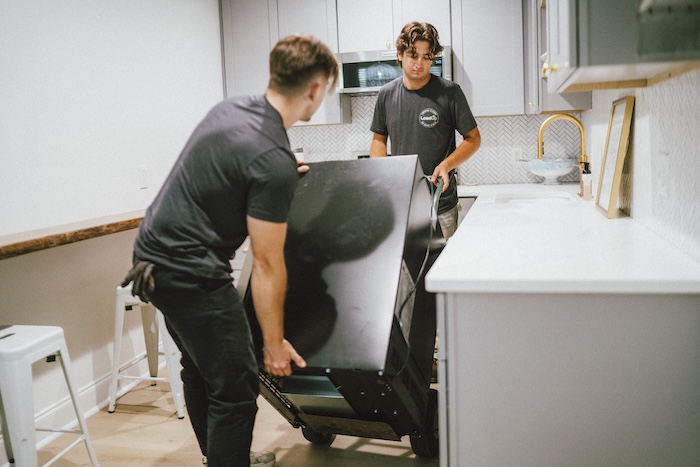
Junk removal companies are different from your regular garbage service. They handle large, heavy items, full rooms of furniture, appliances, boxes and bags of clutter, and carry everything from inside your home to their truck. You don’t lift a thing.
This is particularly useful when you’re moving, renovating, downsizing, or clearing an estate, and you’re dealing with items that are simply too heavy or bulky to manage on your own.
Reputable junk haulers don’t just dump everything in a landfill. Many route items to recycling facilities or donate usable goods to local charities, so you can clear space with a clean conscience.
When you weigh the cost of a professional pickup against the time, truck rental, gas, disposal fees, and physical effort of doing it yourself, the price difference is often smaller than you’d expect.
9. Keep It (Just Kidding)
If none of the above seems right for you, there’s always the option of holding onto everything indefinitely. Problem solved, right?
Okay, obviously that one is a joke. But if you’re helping someone else deal with a serious accumulation, LoadUp does offer compassionate hoarder cleanup services with upfront, guaranteed pricing.
10. Keep It From Coming Back
Once you’ve cleared everything out, the last step is making sure it doesn’t pile up again. A few habits that help:
- One in, one out: Whenever you buy something new, remove something old first.
- Shop with a list: Impulse purchases are how most clutter accumulates.
- Designated spots: When everything has a place, clutter is easier to catch early.
Staying proactive saves you a lot of time, money, and stress the next time around.
What’s the Best Way to Get Rid of Junk?

For small amounts of clutter, selling, donating, or giving items away is almost always the best first step, it’s free, and someone else gets value from what you no longer need.
For bulk junk, heavy furniture, or anything that just needs to disappear fast, hiring a professional junk removal company is the most practical choice. It’s safer (no risk of injury hauling heavy items), faster, and often more affordable than the DIY alternative once you add up all the costs.
LoadUp is a nationwide junk removal service that typically costs 20–30% less than major national competitors. They offer upfront pricing before you book, next-day pickup availability, and eco-friendly disposal through recycling and donation. All contracted haulers carry a $1M insurance policy and pass background checks before completing pickups.
Ready to get rid of your junk? Book a LoadUp pickup ❯
Frequently Asked Questions
The cheapest options are giving items away via Freecycle, Nextdoor, or Facebook community groups, or donating to a charity with a free drop-off. If you need disposal rather than rehoming, municipal bulk pickup is typically the lowest-cost route, though wait times can range from several days to a few weeks.
Professional junk removal typically ranges from $75 to $600 depending on volume, item type, and location. Hauling a truckload to the dump yourself, including truck rental and disposal fees, can run $400 to $600 or more. Services like LoadUp generally price 20 to 30% below major national competitors.
Yes. Most furniture and large appliances contain recyclable materials including metal, wood, foam, and glass. Use Earth911.com to find recycling drop-offs near you that accept specific item types. Most curbside recycling programs won’t pick up bulky items, so you’ll need to arrange a special drop-off or haul.
List on Freecycle or Nextdoor, post in local Facebook “Buy Nothing” groups, donate to charity, or offer items directly to friends and family. Some junk removal companies will haul items at no charge if they can resell or donate them. It’s worth calling ahead to ask.
Most haulers won’t transport hazardous materials such as paint, chemicals, propane tanks, asbestos, or biohazardous waste. For those items, contact your county’s household hazardous waste (HHW) facility. Most counties run periodic free drop-off events.
A professional pickup typically takes 30 minutes to a couple of hours depending on volume and how accessible the items are. Many companies, including LoadUp, offer next-day availability for scheduling.
By Tiffany Luther | Published December 2018 Updated May 2026