
Sustainability is no longer a side initiative for businesses. Today, customers, investors, and regulators expect organizations to take measurable steps to reduce their environmental impact. While many sustainability strategies focus on energy use or supply chains, one area often overlooked is junk removal and waste management.
How businesses remove, handle, and dispose of bulky items, equipment, and outdated materials plays a direct role in meeting green goals and staying compliant. Responsible junk removal helps organizations reduce landfill waste, improve operational efficiency, and align daily practices with broader sustainability commitments.
Sustainability-Minded Businesses: Responsible Junk Removal Guide
Click to auto scroll by section
- Why Sustainability Expectations Are Rising for Businesses
- The Growing Pressure to Manage Waste Responsibly
- Why Traditional Disposal Methods Fall Short
- What Responsible Junk Removal Really Means
- How Responsible Junk Removal Supports Green Business Goals
- Compliance Benefits for Sustainability-Minded Businesses
- Operational Benefits Beyond Sustainability
- Business Scenarios That Benefit From Responsible Junk Removal
- Partner With LoadUp for Eco-Friendly Junk Removal
Why Sustainability Expectations Are Rising for Businesses
Across industries, sustainability has become a core business expectation. ESG initiatives, corporate responsibility programs, and public sustainability reporting require companies to track and improve environmental impact. At the same time, local and state regulations around waste disposal continue to evolve, increasing compliance requirements.
For multi-location businesses in particular, inconsistent disposal practices can create gaps in sustainability performance and regulatory risk. Junk removal may seem operational, but it has a direct impact on environmental outcomes.
The Growing Pressure to Manage Waste Responsibly
Businesses are facing pressure from multiple directions. Customers increasingly prefer brands that demonstrate environmental responsibility. Investors and partners evaluate sustainability metrics as part of long-term risk assessments. Regulators expect proper disposal of electronics, appliances, and commercial waste.
When waste removal is handled inconsistently or without clear standards, it becomes harder to measure impact, document compliance, or maintain accountability across locations.
Why Traditional Disposal Methods Fall Short
Traditional disposal approaches often prioritize speed and convenience over sustainability. Sending items directly to landfills limits opportunities for reuse or recycling and increases environmental impact. In many cases, businesses lack visibility into where materials ultimately end up or whether disposal methods align with regulations.
For organizations managing multiple facilities, relying on different local vendors can result in uneven practices, making sustainability reporting and compliance more difficult.
What Responsible Junk Removal Really Means
Responsible junk removal goes beyond simply hauling items away. It focuses on handling materials thoughtfully and in accordance with best practices and regulations. This includes identifying items that can be reused or recycled, ensuring electronics and appliances are handled properly, and reducing unnecessary landfill contributions whenever possible.
It also means working with partners who understand disposal rules across regions and can apply consistent standards, even as regulations vary by location.
How Responsible Junk Removal Supports Green Business Goals
When waste removal is approached strategically, it directly supports sustainability initiatives. Responsible practices help businesses:
- Reduce overall landfill waste
- Support circular economy efforts through reuse and recycling
- Improve internal sustainability metrics and reporting
- Align day-to-day operations with environmental commitments
- Maintain consistent waste practices across multiple locations
By integrating responsible removal into operations, sustainability goals become easier to achieve and demonstrate.
Compliance Benefits for Sustainability-Minded Businesses
Compliance is a critical component of responsible waste management. Improper disposal can result in fines, violations, and reputational damage. Professional junk removal services are trained to handle a wide range of materials and understand regional disposal requirements.
Consistent processes, documentation, and tracking make it easier for businesses to prepare for audits, meet regulatory standards, and reduce compliance risk, especially across complex or multi-location operations.
Operational Benefits Beyond Sustainability
Responsible junk removal also delivers operational advantages. Faster cleanouts reduce downtime during renovations, relocations, or inventory changes. Internal teams avoid the strain and safety risks associated with heavy lifting or disposal coordination. Vendor management becomes simpler when waste removal follows standardized processes.
These efficiencies allow businesses to focus on core operations while maintaining cleaner, safer work environments.
Common Business Scenarios That Benefit From Responsible Junk Removal
Sustainability-minded waste practices support a wide range of commercial needs, including:
- Office cleanouts and relocations
- Retail fixture changes and inventory turnover
- Warehouse reorganizations
- Hotel and property renovations
- Electronics and appliance removal
In each case, responsible removal helps businesses manage waste efficiently while reducing environmental impact.
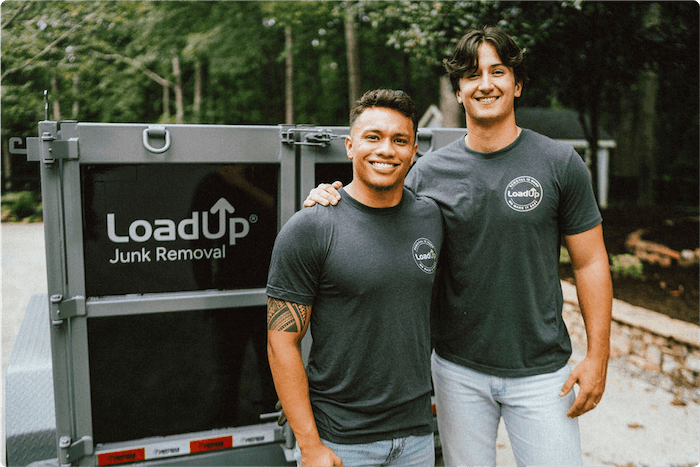
Partner With LoadUp for Eco-Friendly, Responsible Junk Removal
Responsible junk removal helps businesses reduce environmental impact, stay compliant, and support long-term sustainability goals. LoadUp is an eco-friendly partner, prioritizing donation, recycling, and environmentally responsible disposal for nearly every item.
Through our partnership with Plant with Purpose, each job contributes to reforestation and global community sustainability efforts. Partnering with LoadUp lets businesses streamline operations, maintain compliance, and achieve green goals — all while making a positive environmental impact.
Need a greener way to remove junk?Get your price ❯
Related Articles from the Trash Talk blog: