
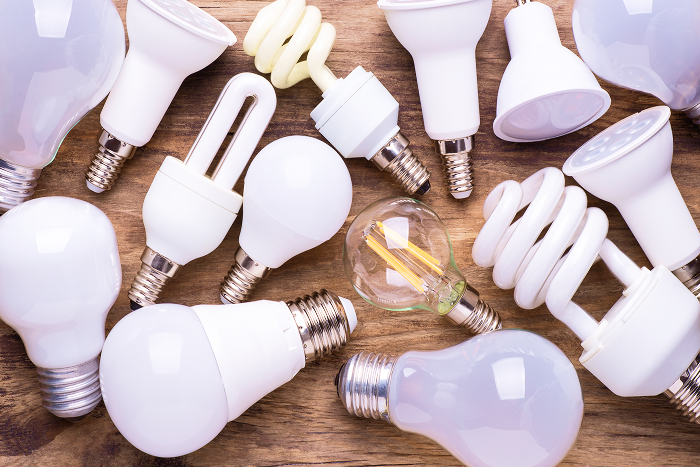
When a light burns out, it’s not always as simple as tossing it in the trash. Different bulbs contain different materials, and some require special handling to protect your home and the environment.
Proper disposal prevents harmful chemicals from entering landfills and reduces the risk of breakage or contamination. Understanding how to dispose of lights correctly helps you stay safe and get rid of old bulbs responsibly.
This guide shows how to identify different bulb types, where to dispose of or recycle them, and how to prepare them safely. Whether you’re decluttering, updating fixtures, or renovating, these steps ensure every light is handled responsibly and safely.
What Donation Centers Really Need
**Click to auto scroll by section
Identify Your Light Type
Before you toss anything out, you need to know which kind of bulb you have. Light types determine whether something belongs in the trash, needs special recycling, or must be taken to a hazardous waste facility.
Incandescent and Halogen Bulbs
- These are the most common household bulbs. They do not contain hazardous materials, so many cities allow them inside regular household trash. However, they cannot be recycled, so they should be wrapped to prevent breakage before going into your bin.
CFL (Compact Fluorescent) Bulbs
- CFLs contain a small amount of mercury, which means they should never be thrown away in household trash. They must go to a designated CFL recycling program or hazardous waste collection center. Breakage can release mercury vapor, so handle these carefully.
LED Bulbs
- LEDs do not contain mercury but do contain valuable recyclable materials like metals and electronic components. Many local recycling centers accept them, and some big box stores host LED drop-off bins.
Fluorescent Tubes
- These long tubes are considered hazardous because they contain mercury. They require special handling, must stay intact, and should be taken to a hazardous waste facility or a recycling center that accepts fluorescent lighting.
Check Local Disposal Guidelines
Every city handles light disposal differently. Some allow certain bulbs in household trash, while others require all bulbs to be dropped off at approved facilities. Before deciding where your lights go, search your city or county website for guidance.
If you are searching online, look up phrases like where to recycle lights or safe light disposal near me to find local programs. Many waste providers offer curbside collection for non-hazardous bulbs or host annual events for hazardous waste like fluorescent lights and CFLs.
If you have several bulbs from a remodel, call your waste service to ask whether they accept bulk quantities or if you need to schedule a special drop-off.
Prepare Lights for Disposal
Proper preparation helps prevent breakage, keeps mercury-containing bulbs safe, and protects sanitation workers.
Here’s how to get your lights ready:
Wrap Fragile Bulbs
- Use newspaper, bubble wrap, or old towels. The goal is to keep bulbs from shattering during transport or when they go into a trash bin.
Separate Bulbs by Type
- Keep LEDs, incandescent, CFLs, and fluorescent tubes in separate containers. This helps recycling centers sort them correctly and ensures hazardous materials stay isolated.
Label Bags or Boxes
- If you are taking multiple bulb types to a drop-off location, labeling the containers helps staff quickly identify the contents.
Dispose or Recycle Properly
Once your lights are sorted and prepared, follow the right method for each type.
Incandescent and Halogen Bulbs
- If your city allows these in the trash, wrap them and place them in your garbage bin. If not, take them to a local facility that accepts non-hazardous household waste.
Incandescent and Halogen Bulbs
- Recycle them whenever possible. Many local recycling facilities, hardware stores, and community centers offer LED recycling programs.
CFL Bulbs
- These should only go to designated recycling programs or hazardous waste drop-off facilities. Search your local government website for disposal instructions.
Fluorescent Tubes
- Because these contain mercury, they must be kept intact and brought to a hazardous waste center or participating hardware store that accepts tubes.
Large Quantities
- If you recently remodeled, replaced fixtures throughout your home, or inherited a large collection from storage, contact your waste provider. Bulk disposal often requires special handling.
Consider Professional Junk Removal
If you are clearing out multiple bulbs, replacing entire fixtures, or dealing with leftover lights from a renovation, hiring a professional junk removal service can make things much easier.
LoadUp and similar services offer convenient pickup options for old lights, fixtures, and other household items. A professional team handles sorting, hauling, and responsible disposal so you do not have to drive to multiple facilities or worry about hazardous materials.

Dispose of Lights Safely with LoadUp
Properly handling old or broken lights keeps your home safe and protects the environment. LEDs should be recycled, while CFLs and fluorescent tubes require hazardous waste disposal. Wrapping and labeling bulbs prevents accidents during transport.
LoadUp makes disposing of lights simple and safe. Whether it’s a few bulbs or multiple fixtures, our team handles hauling and proper disposal so you don’t have to. Schedule a pickup today and let LoadUp take care of your old lights responsibly.
Need lights or fixtures removed? Get your price ❯
Related Articles from the Trash Talk blog:


