
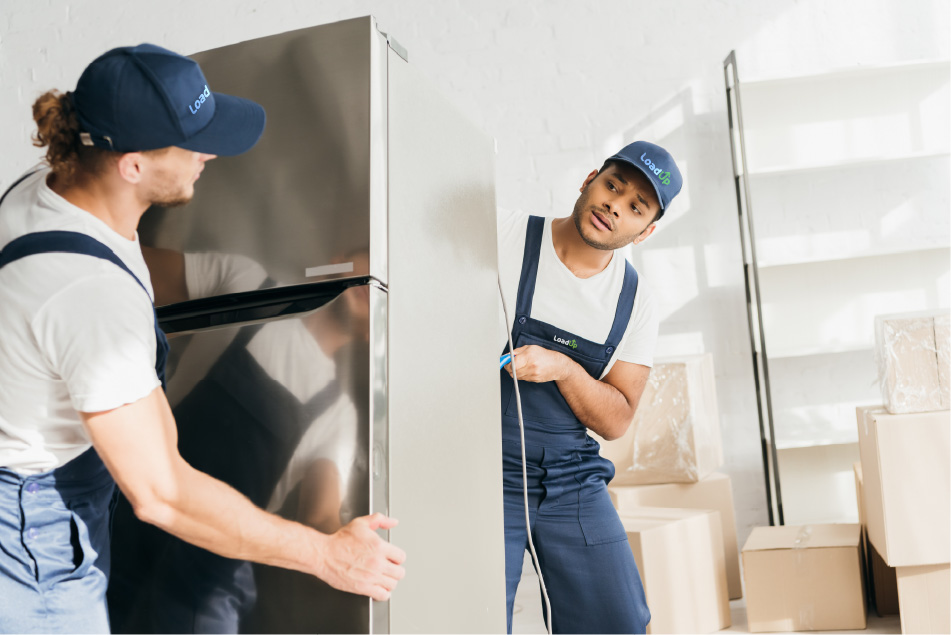
Getting an old refrigerator out of your kitchen isn’t as simple as rolling it to the curb. Most trash services won’t touch it, and for good reason. Refrigerators contain refrigerants that have to be removed by a certified professional before it can be legally recycled or landfilled.
So what actually works? Retailer trade-in, recycling, donation, and junk removal pickup are your most reliable options, and the right one usually comes down to one question: does the fridge still run?
If it still works, you’ve got options: donate it, sell it, or even see if your utility company will pay you to recycle it. If your fridge is dead weight, recycling or a junk removal pickup will get it out fastest. Either way, here’s what to do first, and every option after that.
In this post:
Prepare your refrigerator for removal
No matter which option you pick, a little prep goes a long way and keeps you from dealing with a mess. Before pickup day:
- Unplug the refrigerator ahead of time, ideally overnight, so it has time to defrost.
- Clear out all the food and wipe down the interior.
- Secure or remove the doors so they don’t swing open in transit. If you’re heading to a landfill, don’t tape them shut. Most landfills won’t legally accept a fridge with taped doors.
- Measure the fridge, along with the doorways, hallways, and stairwells it needs to pass through.
Ask about a refrigerator haul-away service
Buying a new fridge? Ask the retailer if they’ll haul away the old one as part of delivery. A lot of retailers offer one-to-one trade-in programs that will recycle or refurbish your old unit when they drop off the new one.
Some require the old fridge to still be working, and haul-away can run you $10 to $50 depending on the retailer. If it’s not offered upfront, ask anyway. It’s a reasonable thing to negotiate into the purchase.
Recycle your refrigerator
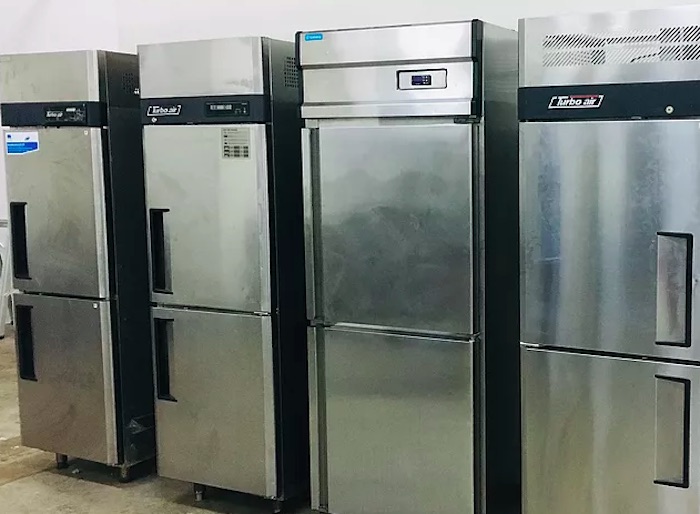
Refrigerator recycling is one of the more responsible routes, and you don’t need to figure out how it works yourself. Local waste management services often handle refrigerator recycling, and a junk removal company like LoadUp can take care of it for you too.
Your local utility company or state energy office is a good place to start, since many sponsor appliance recycling programs. Just know you’ll likely need to get the fridge to a facility yourself, and free recycling isn’t a given.
♻️ Check out our appliance disposal guide for the right ways to recycle a refrigerator and freezer.
Donate a working refrigerator to charity
If your fridge still runs, some local charities will accept it as a donation, as long as it’s in usable condition. You’ll usually need to haul it to a donation drop-off center yourself, though a few offer free pickup for large appliances, which solves the problem for you entirely.
Call around to a few local charities before you commit. Availability and pickup policies vary a lot by charity and by region. Or skip the calls entirely: LoadUp’s donation pickup service can take a working refrigerator off your hands without you having to track down a charity yourself.

Sell or give it away
A working fridge has value even if it’s seen better days. Listing it on Facebook Marketplace or Craigslist can get it out of your house fast, sometimes with a little cash back in your pocket. If you’d rather skip the back and forth, giving it away for free often moves just as quickly since working appliances are in demand.
If you go this route, meet buyers in a safe location or have someone with you when they come to pick it up.
Check for a utility rebate program
Some utility companies will actually pay you to recycle an old refrigerator, particularly a secondary one like a garage fridge. Rebate programs vary by provider, and most have requirements around size and working condition. Contact your utility company directly to check current rebate amounts and eligibility.
Know the rules before trashing it
Regular curbside trash pickup usually isn’t an option. Many states ban refrigerators, freezers, and other bulky appliances from landfills outright, so a hauler can’t just toss one in with a routine collection.
If your local trash service does pick up large appliances, you’ll likely need to schedule it weeks in advance or wait for a designated bulk pickup day. And under the Clean Air Act, refrigerants have to be professionally removed before a refrigerator can be landfilled at all, which usually means hiring a certified technician and paying a disposal fee.
💡 Quick tip: Remove the doors before drop-off, and don’t tape them shut. Most landfills can not legally accept a refrigerator with taped doors.
Book a junk removal pickup for your old fridge
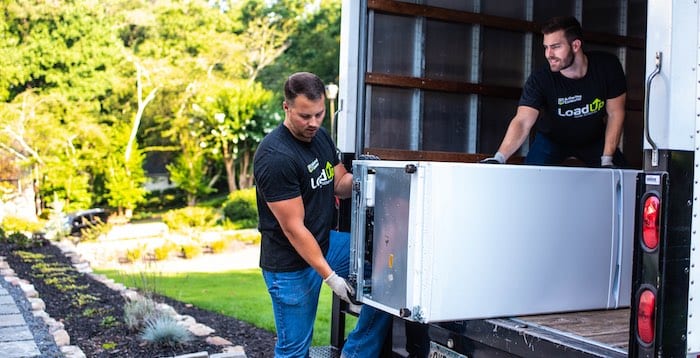
If you’d rather skip the phone calls, the hauling, and the guesswork around local regulations, a professional junk removal service can pick up your refrigerator, haul it away, and dispose of it properly, all in one trip.
There’s a fee involved, but for most people, the time and effort saved makes it worth it.
Why homeowners choose LoadUp for refrigerator removal
We offer upfront, no-haggle pricing, so you know the cost before anyone shows up. Our Loaders handle the heavy lifting and can pick up your refrigerator wherever it is in your home, or you can choose curbside pickup at a lower price if you’d rather leave it outside.
We handle refrigerator disposal from pickup to drop-off, donating or recycling what we take whenever possible. Refrigerator pickup may be available same-day, depending on your location.
Need help getting rid of your old fridge? BOOK ONLINE ❯


