

Breaking up is hard to do, and letting go of your sentimental belongings can bring up surprisingly similar feelings.
Think about that couch you’ve had for years. It was love at first sight, your first big purchase with a real paycheck, and the two of you have been through a lot together. But somewhere along the way, the magic faded, and deep down, you already know it’s time to move on.
That’s the thing about sentimental clutter. It’s rarely about the object itself. It’s about the memory wrapped around it, the person who gave it to you, or the version of yourself that once cared deeply about it. That emotional weight is exactly why so many people put this off for years.
But here’s the truth: letting go of sentimental items doesn’t mean losing the memory. Here’s how to do it without the guilt.
How to get rid of sentimental items
**Click to auto-scroll by section
What is sentimental clutter?
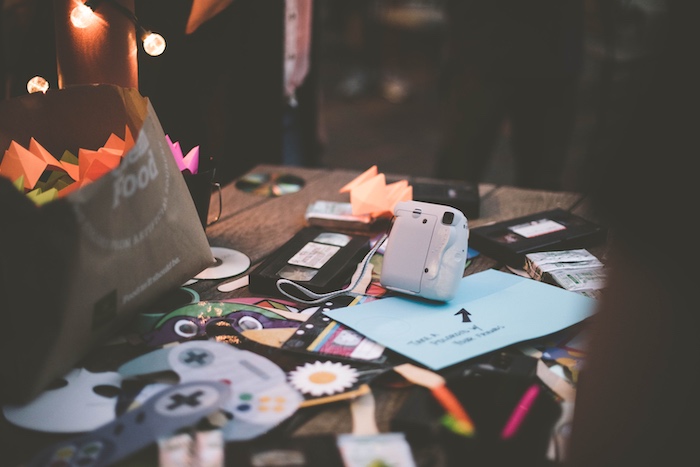
Sentimental clutter is anything you’re holding onto purely for the emotional response it carries, not because you actually use it or need it. It could be a box of birthday cards from the 90s, your dad’s old recliner, childhood trophies, or that novelty mug from a trip you barely remember taking.
The tricky part is that sentimental items don’t always look like clutter. They’re tucked into closets, stacked in storage units, or sitting in the corner of a room you’ve mentally blocked out. But they take up space, physically and mentally.
Here’s the reframe that makes the whole process easier: getting rid of an item doesn’t erase the memory attached to it. The memory lives in you, not the object. Your items are not the people or places they’re associated with. Letting them go doesn’t mean letting go of that part of your life.
That said, not everything needs to go. Keeping a handful of items that genuinely bring you joy or hold real meaning isn’t clutter, it’s a healthy connection to your history. The goal isn’t to get rid of everything sentimental. It’s to stop holding onto things out of guilt, obligation, or habit.
Common examples of sentimental clutter:
- Wheels or rims from your first car
- Your first laptop (that weighs 10 pounds)
- Your grandpa’s old recliner that you inherited
- Old clothing and shoes you’ll never wear again
- Childhood mattresses or crib mattresses from your own kids
How to decide what to let go of
There’s no universal rule for what to keep and what to let go of. Think of it like ending any relationship: you need to be honest with yourself before you can move forward.
These questions can help cut through the emotional fog:
- Do you use it, display it, or think about it fondly? If the answer to all three is no, that’s a signal. Items you genuinely love tend to earn their space naturally.
- Would you buy it again today? If someone handed you this item brand new, would you want it in your home? If not, ask yourself why you’re still keeping the old one.
- Are you keeping it out of obligation or guilt? Gifts you never liked, inherited pieces that don’t fit your life, keepsakes from relationships that have run their course. Guilt isn’t a good long-term storage strategy.
- Is someone else’s life better with this item in it? Sometimes letting go feels easier when you know something is going to a person or place where it’ll actually be used.
Take a few weeks to observe what you reach for and what you walk past every day without noticing. The patterns usually tell you what you need to know.
Before you toss it, consider this
Not every breakup has to be a clean break. There are a few stops worth considering between “keep it forever” and “throw it away.”
Repair or refurbish it. If a piece of furniture is structurally sound but just worn down, a good cleaning or reupholstery job might give it a second life. Just be realistic: reupholstery can sometimes cost as much as a replacement, so get a quote before committing. If it turns out repair isn’t worth it, our furniture removal service can take it off your hands instead.
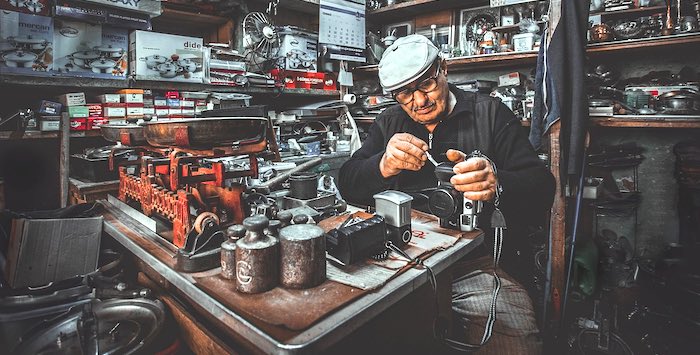
Repurpose it. A beat-up dresser can become a planter. An old ladder becomes a bookshelf. If you’re creative and the item has good bones, repurposing is a legitimate option worth exploring.
Digitize it. Paper keepsakes, letters, photos, and cards don’t have to take up physical space. Scanning and digitizing them gives you the memory without the box in your closet.
Pass it to someone who wants it. Before donating to a thrift store, think about whether a family member, friend, or neighbor might genuinely want the item. A meaningful handoff can make letting go feel like a gift rather than a loss.
Decided it’s time to let it go? BOOK A PICKUP ❯
How to actually get rid of sentimental items
Once you’ve decided something needs to go, here’s how to move it out responsibly.
Donate what’s still useful
If the item is in decent condition, donating is usually the best first move. Local thrift stores, shelters, churches, and community organizations accept furniture, clothing, housewares, and more. Knowing something will be used by someone else makes it easier to part with.
For larger items, some nonprofits offer donation pickup, though wait times can run two to three weeks. If you’ve got a lot to move at once, LoadUp’s donation pickup service can make the process significantly faster and easier, especially when items are heavy or bulky.
Sell what has value
Higher-value sentimental items like vintage furniture, collectibles, instruments, or jewelry may be worth selling rather than donating. Facebook Marketplace, eBay, Craigslist, and local consignment shops are all solid options. A yard sale works well if you’ve got a mix of smaller items to move at once.
Recycle what can’t be donated
Items that are too worn to donate but made of recyclable materials often have dedicated drop-off or pickup options. Think metal furniture, old electronics, mattresses, and exercise equipment. Check your city’s recycling programs or local e-waste facilities before sending anything to the landfill.
For specific items, LoadUp’s disposal guides can help you figure out the right path forward.
Book a junk removal pickup for the rest
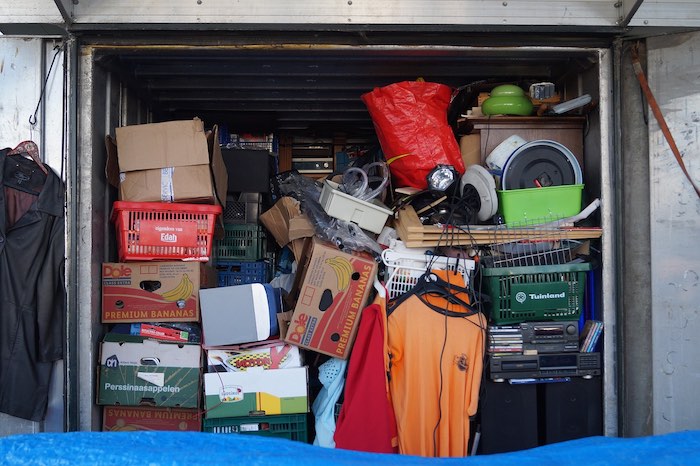
When you’ve got multiple items, bulky furniture, or things that are simply too heavy to haul yourself, junk removal is often the most practical solution. A professional pickup means no truck rental, no coordinating with a charity’s schedule, and no making multiple trips to a recycling center.

LoadUp’s home junk removal service keeps it simple: book online, get an upfront price, and Loaders handle the heavy lifting. Check what LoadUp takes before you book so there are no surprises on pickup day, and if you want the full picture, see how junk removal works from start to finish.
Ready to declutter sentimental items? BOOK ONLINE ❯
Frequently asked questions
Completely normal. The guilt usually comes from a sense of obligation to the person who gave you something, or to a version of yourself that used to care about it. Remind yourself that the memory isn’t stored in the object. You’re not throwing away the relationship or the experience, just the thing itself.
Give yourself a transition period. Put the item in a box, label it with a date three to six months out, and see how often you think about it. If the date passes and you haven’t missed it, that’s your answer. You can also try offering it to someone in your life first. A meaningful handoff often makes letting go feel less final than donating or disposing of it.
Work in short sessions rather than trying to tackle everything at once. One drawer, one shelf, one category at a time. Decision fatigue is real, and processing too many emotionally loaded items in a single sitting usually ends with keeping everything. Give yourself permission to stop when you’re tired and come back to it.
For large items like furniture, old appliances, or exercise equipment, a junk removal service is typically the fastest and least stressful option. You skip the truck rental, the heavy lifting, and the back-and-forth with donation centers. LoadUp’s pricing page has upfront cost information so you know what to expect before you book.


